Last update: October 6, 2026. Get to know the 2026 Michigan Governor candidates, understand the office, compare campaign priorities, and follow the latest developments in this comprehensive, nonpartisan guide.
Table of Contents
This guide is designed for easy online navigation with clickable sections. If you would rather download or print a copy, use the PDF option below.
Continue to the Online Navigation 👇
- Meet the Candidates
- How the Money is Flowing: Campaign Finance Overview
- What Happens After Election Day?
- Who Is the Governor Now?
- What Does the Governor Do?
- What to Look for in a Governor
- How to Vote in Michigan
- Help Build a More Informed Michigan
About This Guide
This guide is designed to help you understand both the office and the election—not tell you how to vote.
We begin by explaining what the office does, how much authority it has, and why it matters. From there, we cover the current race, the major issues, what to look for in a candidate, and profiles of everyone seeking the office. The goal is to provide the context you need to evaluate candidates based on the responsibilities of the job—not just campaign headlines.
Michigan Women updates these guides throughout the election cycle as new information becomes available. We review official government records, campaign websites, debate transcripts, campaign finance filings, public statements, and reporting from a wide range of reputable news organizations. New information is verified before it is added, and significant changes are incorporated as the race develops.
As a 501(c)(3) nonprofit organization, Michigan Women does not endorse or oppose candidates or political parties. Our role is to make Michigan government and elections easier to understand so every voter can make informed decisions with confidence.
To learn more about our research process, editorial standards, and commitment to nonpartisan civic education, visit our Strategy & Impact Guide:
https://michwomen.com/blog/michigan-women-strategy-impact-guide#voice-editorial-standards
About the Governor Race
Michigan is about to choose its next governor. Gretchen Whitmer has led Michigan for eight years. She can't run again. And the race to replace her is one of the most competitive and closely watched governor's races in the country.
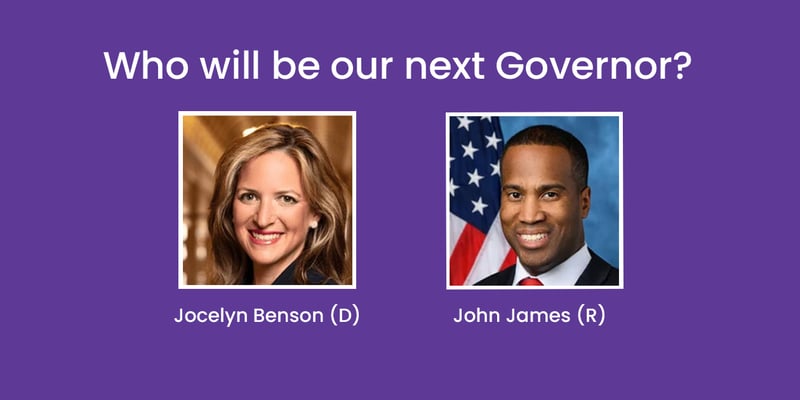
What started as one of the most crowded fields in Michigan history with 17 declared candidates, narrowed to two Democrats and three Republican candidates, with Benson and James winning the primary election on August 4th.
The Governor and Lieutenant Governor run together as a ticket. Voters elect both offices with a single vote.
VOTE: General Election: November 3, 2026
The shifting field of candidates
The 2026 governor's race started as one of the most crowded fields in Michigan history, with 17 candidates across three parties — an independent (Mike Duggan), five Democrats (Jocelyn Benson, Chris Swanson, Marni Sawicki, Kim Thomas, and Kevin Hogan), and ten Republicans (John James, Mike Cox, Tom Leonard, Aric Nesbitt, Perry Johnson, Ralph Rebandt, Karla Wagner, Anthony Hudson, Joyce Gipson, and Evan Space), plus Garlin Gilchrist, who left early to run for Secretary of State instead.
Fifteen candidates dropped out, were disqualified, or lost their primary: Sawicki and Hogan ended their campaigns in early 2026; Leonard, Space, Gipson, and Wagner withdrew over the following months; Anthony Hudson left the Republican Party for the Libertarian ticket; Kim Thomas and Ralph Rebandt were disqualified by the Bureau of Elections for insufficient valid signatures (Rebandt's disqualification was later upheld by the Michigan Supreme Court); Mike Duggan dropped his independent bid on May 21, citing national political headwinds; Aric Nesbitt suspended his campaign on June 22 after President Trump endorsed John James; and Mike Cox suspended his campaign in mid-July and endorsed James, though both Cox and Nesbitt still appeared on the August 4 primary ballot.
Michigan voters selected their nominees in the August 4 primary: Jocelyn Benson and John James will face off in the November 3 general election.
Three other candidates appear on the Nov. 3 ballot for governor: Donna Brandenburg (U.S. Taxpayers), Douglas Campbell (Green), and Anthony Hudson (Libertarian). Each received about 2% in the Mitchell Research poll.
Democratic primary results
Jocelyn Benson won the Democratic nomination in a landslide over Genesee County Sheriff Chris Swanson. The Associated Press called the race for Benson at 9 p.m. — immediately after polls closed — and with most votes counted by Wednesday morning, she led Swanson by 66 percentage points.
The Data
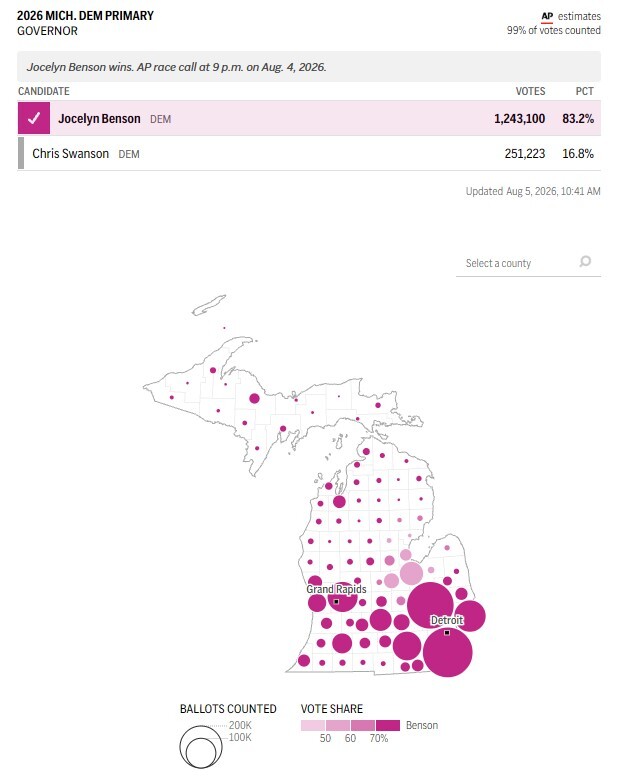
Source: https://www.mlive.com/politics/2026/08/2026-michigan-governor-primary-election-results.html
Benson's Victory Speech
In her victory speech, Benson told supporters Michigan "deserves a governor who answers to the people, not corporations, not the DeVos family, and not Donald Trump."
Watch Benson’s victory speech | Download the Transcript
Top priorities she names
- Cost of living: affordable housing, "costs down, wages up"
- Childcare affordability
- Healthcare access (explicitly ties in reproductive care as "her right")
- Public education/teacher pay and respect
- Water/environmental quality (safe drinking water, clean air)
- Veterans' healthcare access
- Anti-corruption / "ending corruption" in government
- Frames herself as willing to "work with anyone" but also to "stand up to anyone" — positions this as a defining leadership trait
Tone
Personal-narrative heavy — she leans hard into her identity as a mom, daughter of teachers, wife of a combat veteran, and uses individual anecdotes (a single mom in Muskegon, seniors in Warren, a couple with a newborn in Detroit) to humanize policy points rather than leading with data or specifics. It's aspirational and unifying in cadence ("a government that works for all of us") but sharpens into direct contrast in the second half.
Contrast/attack lines (useful for symmetry-checking against James later)
- Names Donald Trump directly multiple times, positions him as the opposing force rather than James specifically
- References the DeVos family by name as a power center she says she won't answer to
- Claims Republicans' "vision" would raise healthcare costs and let housing costs climb (no specifics offered)
- Ties state Republicans to Trump's 2020 election-overturn efforts
- Makes a personal claim: says Trump "tried to pressure me into turning over your private voting information," that she refused, and that she "won" in court — this is her own characterization and would need independent verification before it goes anywhere near guide copy
- Also references armed protesters at her home — again, her own claim, unverified in this transcript
Closing/mobilization ask
Standard Get Out the Vote (GOTV) language — canvassing, calls, framing November as a "democracy" referendum, invoking her past campaign cycles (2018, 2022).
Republican primary results
John James won the Republican nomination in a closer race over businessman Perry Johnson. The Associated Press called the race for James at 10:24 p.m. on Aug. 4 — over an hour after polls closed — and with 99% of votes counted by Wednesday morning, he led Johnson by roughly 15 percentage points.
The Data
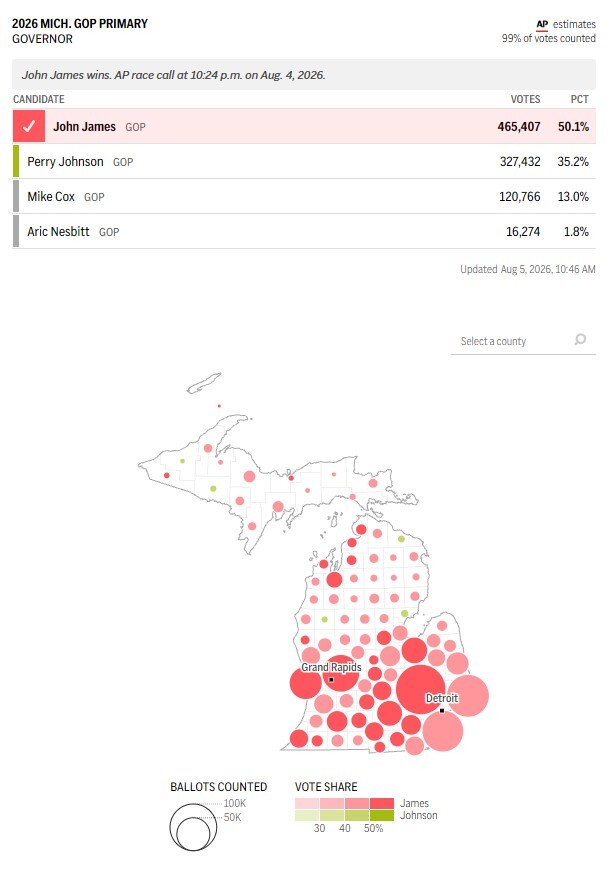
Source: https://www.mlive.com/politics/2026/08/2026-michigan-governor-primary-election-results.html
James Victory Speech
Watch James’s victory speech | Download the Transcript
Top priorities he names
- Tax cuts and lower energy bills
- Medicaid — frames as protecting it for those who need it while "stopping fraud and abuse"
- Education: "restore excellence and accountability and parental rights to our schools," specifically naming phonics-based reading instruction
- Public safety: support law enforcement, keep "violent criminals off our streets"
- Infrastructure: rebuild roads, bridges, water systems, and the electric grid, paired with "transparency and accountability"
- Border security and ending vehicle mandates — cited as past congressional accomplishments rather than forward state promises
- Frames the choice as "freedom" vs. "socialism" — positions this contrast as the defining stakes of the race
Tone
Diagnostic and combative, opening with a catalog of Michigan's problems using specific rankings (46th overall, 45th in education, 43rd in economy, 42nd in infrastructure, 44th in 4th-grade reading) and dollar comparisons on state spending. Heavy on personal biography — veteran, business owner, congressman — building toward a family-heritage narrative (enslaved ancestor → sharecropper → mason → truck driver → himself) and explicit framing of his own candidacy as historic (Michigan's first Black governor, "party of Abraham Lincoln"). Closes on a broader unifying note despite the sharply partisan middle section.
Contrast/attack lines (for symmetry-checking against Benson)
- Thanks Trump by name for his endorsement early in the speech — direct affiliation, the inverse of Benson naming Trump only as opposition
- Directly names Benson and attributes Michigan's rankings/problems to her tenure and the Democratic trifecta
- Names Abdul El-Sayed specifically and repeatedly labels the Democratic ticket "socialism" — charged partisan framing, not neutral fact, needs Race Note treatment rather than Positions
- Cites Michigan's state rankings and budget/spending growth as evidence of Democratic failure — the rankings are independently verified (U.S. News 2026), but the budget framing is contested by a nonpartisan fact-check that names James specifically as a candidate using this comparison
Closing/mobilization ask
Broader cross-partisan invitation than Benson's — explicitly asks Democrats, independents, and undecided voters ("politically homeless") to join his campaign, rather than focusing purely on activating his existing base for door-knocking and calls.
Who’s ahead in the general election?
Jocelyn Benson leads John James in all three recent public polls, by four to seven points. A Mitchell Research & Communications poll of 682 likely voters (Oct. 1, ±3.8 points) found Benson at 46% and James at 39%, with 9% undecided. An Emerson College/Nexstar poll (Sept. 17, ±3 points) showed 49% to 42%, and a Detroit News/WDIV poll by the Glengariff Group (Aug. 31–Sept. 3, ±4 points) showed 47% to 43%.
Polling has shown Benson ahead in nearly every survey since early 2025, though the margin has fluctuated — from single digits to double digits — depending on the pollster and timing.
Benson and James are scheduled to hold a debate at WOOD TV8's studio in Grand Rapids on Oct. 6 at 7 p.m.
Debates
Benson and James held their first general-election debate on Oct. 6 at WOOD TV8 in Grand Rapids. WATCH → https://www.youtube.com/live/L2siZPxJ5ok?si=BvvFX5gdTqotyj82
A second debate is scheduled for Thursday, Oct. 15, at 8 p.m. at WDIV Local 4 in Detroit.
Top issues shaping the race
The following priorities reflect what each candidate emphasized in their primary-night victory speech and October 6th debate, not a full survey of their campaign platforms. Most core issues— affordability, housing, healthcare, education, energy, environment, and government accountability all appeared in some form in both speeches, largely matching what's listed on each candidate's campaign website.
A few notable exceptions: data centers, one of the more contested issues in this year's race and a topic raised in nearly every candidate debate and interview this cycle, was not mentioned by either candidate in their victory speech. Neither was property tax reform, despite it being a significant issue for Republican primary voters earlier in the race. James's website also lists broader themes — including school choice, girls' sports, and religious liberty — under his "Individual Rights & Freedoms" platform section that didn't come up in his speech, which focused more narrowly on parental rights within education.
We'll continue tracking these issues as both campaigns release more detailed policy platforms ahead of November.
| Issue | Benson | James | Shared? |
|---|---|---|---|
| Cost of living / affordability | Frames as "costs down, wages up." Ties to a government that "saves us time, saves us money, and makes our life easier." | Leads with tax cuts and lower energy bills as first concrete promises. Frames the need through a wish-list: "groceries they can afford, homes they can buy... a job that pays enough to raise a family on a single income." | ✅ Both center this, but Benson frames it as a governing outcome; James frames it as tax/spending policy |
| Housing | "Homes are easily built so that teachers and nurses and farmers can afford to live in the communities where they work." Supply-side framing. | Mentions "homes they can buy" once, inside a broader affordability list — not developed as a standalone plank. | ✅ Shared but lopsided — Benson gives it a dedicated sentence with a stated mechanism (build more homes); James only references it in passing |
| Healthcare | "Quality health care" for all Michiganders; explicitly includes "reproductive care because it is her right." Also names veterans' earned healthcare access. | Promises to "protect Medicaid for those who need it while stopping fraud and abuse for those who would steal from it." Mentions "decent health care" in his affordability wish-list. | ✅ Shared topic, opposite emphasis — Benson: access/rights framing (incl. reproductive care); James: program integrity framing (fraud/abuse) |
| Infrastructure / water | "Water that is safe to drink and air that is clean to breathe" — framed as a quality-of-life/health issue. | "Rebuild our roads and our bridges and our water systems and our electric grid with transparency and accountability" — framed as a spending/execution issue. | ✅ Shared, different angle — Benson: public health outcome; James: physical rebuild + accountability for how money is spent |
| Government accountability / anti-corruption | One line: "end corruption," included in a list alongside costs and rights. Not elaborated. | Ties "transparency and accountability" specifically to infrastructure spending and to Medicaid fraud prevention — appears twice, more load-bearing in his framing. | ✅ Shared language, but James uses it as a recurring theme; Benson uses it as a single bullet point |
| Economy / jobs | "Drive down costs while expanding our economy" — general framing, no specific mechanism named. | Cites his own history helping "grow jobs in Detroit" after the recession as proof of experience; also uses Michigan's 43rd-in-economy ranking as his critique of the current administration. | ✅ Shared topic — Benson speaks forward (what she'll do); James speaks backward (his record) and uses a specific stat as an attack line |
| Public safety / crime | Not raised in this speech. | "Support law enforcement, protect victims, and keep violent criminals off our streets." | James only |
| Border security | Not raised. | Cited as a past congressional accomplishment ("helped... secure our border") — bio credential, not a forward-looking state promise (border security isn't a state-level governor function). | James only |
| Veterans | Explicitly names veterans' access to "the health care they earned" as a policy commitment. | Veteran status is central to his personal biography (his own service post-9/11) but not framed as a forward policy commitment for other veterans. | Not a true match — Benson has a policy plank; James has a biographical credential. |
| Reproductive rights | Explicit: "reproductive care because it is her right." | Not mentioned. | Benson only |
| Parental rights (education) | Not mentioned. | Explicit: "parental rights to our schools." | James only |
| Medicaid fraud/abuse | Not mentioned. | Explicit, repeated framing: protect Medicaid "while stopping fraud and abuse." | James only |
| Tariffs / trade with Canada (Oct. 6 debate) | Calls the federal tariffs on Canada a "John James tax" and cites an estimated $5,600 in tariff costs per Michigan household. Says she would call Canada on day one to negotiate a "subnational agreement" to exempt Michigan–Canada trade from the tariffs. | Says he has "never voted to increase tariffs on Canada," has urged the administration to return to negotiations, and says Benson's plan is unlikely to work. Cited a "Trade Act" bill he introduced the day of the debate. Did not directly answer the moderator's question on Trump's threatened 50% tariff on Canadian auto imports. | Shared topic, disputed record — Benson: state-level agreement with Canada; James: federal negotiation and legislation. Context: in February, James voted against a House resolution to end the emergency powers behind the Canada tariffs. The $5,600 figure is an estimate (not a direct bill) from the National Taxpayers Union Foundation, which opposes the tariffs. |
| Taxes (Oct. 6 debate) | Middle-class relief in her first budget, including a $5,000 tax credit for long-term caregivers and tax cuts for parents paying for child care. Says she would review the state tax code for loopholes, such as the fuel tax exemption for private planes. | Would eliminate the state income tax. Says his campaign has identified up to $3 billion in waste (earmarks, improper payments, and unspent funds) to help pay for cuts, without cutting vital services. Did not say how large a first-year cut would be or how long full elimination would take. | ✅ Both promise tax relief, at different scales — Benson: targeted credits and a tax code review; James: full income tax elimination. Neither gave a total cost. |
| Gas tax (Oct. 6 debate) | Says she is open to suspending the state gas tax. Also urges a federal gas tax holiday and blames high prices on the Iran war. | Supports a temporary suspension of the state gas tax and has called for a federal suspension. Would pay for it with leftover state funds. | ✅ Both support a temporary state gas tax suspension — Benson says she is "open to" it; James committed to it. |
| Energy and the clean energy standard (Oct. 6 debate) | Supports Michigan's clean energy requirement. Would modernize the grid, invest in clean energy, and end "profit-driven" utility rate hikes. | Would repeal Public Act 235, the state's clean energy standard, in favor of an "all of the above" approach that includes natural gas, nuclear, and renewables. Says projects need to be economical so utilities don't keep raising rates. | ✅ Both promise lower utility bills — opposite approaches to the clean energy mandate. |
| Data centers (Oct. 6 debate) | Calls for a moratorium on new data centers until guardrails protect local control, water, and energy costs. Supports ending nondisclosure agreements and says she would voluntarily comply with public records requests as governor. | Supports local control and says any moratorium should be set locally, not by Lansing. Wants to protect water, prevent pollution, and keep electricity bills from rising, and favors building on previously developed sites over farmland. | ✅ Both invoke local control and protecting water and rates — Benson supports a state-level pause; James says any pause should be local. Each disputed the other's data center claims (see Race Notes). |
| Education: literacy and retention (Oct. 6 debate) | Five-pillar plan: a "Michigan education guarantee" for college- or career-ready graduates, better pay and support for educators, a new school funding formula, and early childhood investment. Says teachers, not politicians, should decide whether a struggling reader repeats third grade. | Would adopt parts of Mississippi's literacy approach, including phonics, early testing, and tutoring. Says holding back third graders who can't read proficiently is "on the table." Would opt Michigan into the Education Freedom Tax Credit and cut administrative overhead. | ✅ Both would build on Mississippi's reading gains — different on retention: James says it's on the table; Benson defers to teachers. |
| Immigration enforcement (Oct. 6 debate) | Would use state tools to limit what she calls abuse of federal authority, including in schools, but would allow federal agents in when there is a clear and present danger. | Would cooperate with federal law enforcement and prioritize violent offenders. Says he does not expect Michigan to need an ICE presence if state and local officials enforce the law. | Shared topic, different approaches — Benson: limits on federal agents with a danger exception; James: cooperation, prioritizing violent offenders. |
| Iran war (Oct. 6 debate) | Calls it a "reckless war" and blames it for rising gas prices. Says James voted six times to support it, and urges him to press Congress to act, including by suspending the federal gas tax. | Says the war should end quickly and that he is a combat veteran who hates war, while saying Iran cannot have a nuclear weapon. Says he voted to protect and fund U.S. troops. Named the war as the area where he differs from President Trump. | Shared topic, different framing. Context: James voted against six House war powers resolutions, the sixth on Sept. 15 (Bridge Michigan). He has said his position has not changed. |
| Medicaid and health care costs (Oct. 6 debate) | Would streamline the state health department to help people stay enrolled, create a Prescription Drug Affordability Board, and push back on unfair insurance denials. Says James's votes in Congress raised health costs and will cost Michiganders coverage. | Says Medicaid spending will keep growing and that the new federal work requirements exempt groups such as pregnant women, older adults, and people who are frail or sick. Would seek hardship exemptions for hard-hit areas and crack down on fraud. Says Benson's claims are fear-based. | Neither named a specific tax increase or spending cut to cover a federal Medicaid shortfall. Context: Bridge Michigan found James voted for the 2025 federal budget law that trims Medicaid enrollment and twice against extending enhanced ACA tax credits. |
| Flock cameras and privacy (Oct. 6 debate) | Says the state should set guardrails on technology that threatens residents' privacy, while preserving local control. Points to her work setting AI guardrails in elections. | Calls the Fourth Amendment "non-negotiable" and says he would protect both local control and constitutional rights. Did not say whether the state should set guardrails. | ✅ Both invoke local control and privacy — Benson said yes to state guardrails; James did not take a position on them. |
In the News
The race is moving quickly. Below is a curated collection of recent coverage from local and national outlets — endorsements, fact-checks, candidate interviews, and more. We don't pick sides; we just pull the sources together so you can read for yourself.
Voter Guides & Election Trackers
- WDET 101.9 FM (Detroit Public Radio) — 2026 Voter Guide. Detroit Public Radio's comprehensive voter guide covering candidates, ballot access, and key issues across Michigan's 2026 races. https://wdet.org/2026voterguide
- Michigan Advance — Governor's Race Voter Guide. Ongoing coverage and candidate profiles from Michigan Advance, a nonprofit news organization covering state government and politics. https://michiganadvance.com/voter-guides/contests/governor
- Ballotpedia — Michigan Gubernatorial Election, 2026. Nonpartisan encyclopedia-style overview of the race, including candidate lists, election history, and primary details. https://ballotpedia.org/Michigan_gubernatorial_and_lieutenant_gubernatorial_election,_2026
- Cook Political Report — Michigan Governor Race Rating. The nonpartisan Cook Political Report's current competitiveness rating for the general election. https://www.cookpolitical.com/governor/race/479531
- Wikipedia — 2026 Michigan Gubernatorial Election. Running summary of the race with candidate information, polling, and fundraising data. https://en.wikipedia.org/wiki/2026_Michigan_gubernatorial_election
Meet the Candidates
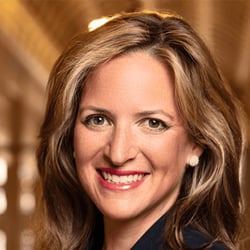
Jocelyn Benson (D)
 |
|
Top Priorities
The priorities below are drawn from the candidate's official campaign website and reflect the issues the campaign specifically chose to emphasize.
- Affordability: Lower the cost of living by making housing, healthcare, and childcare more affordable, reducing corporate price gouging, streamlining government, and building an economy where working families can afford to live and thrive in Michigan.
- Housing: Increase the supply of affordable housing by streamlining regulations, encouraging construction of starter homes and affordable housing, addressing barriers to development, and limiting practices that drive up housing costs.
- Healthcare: Reduce healthcare costs by improving access to care, increasing price transparency, creating a Prescription Drug Affordability Board, expanding preventive care, addressing medical debt, and reforming the Department of Health and Human Services.
- Childcare: Expand access to affordable childcare by taking the Rx Kids program statewide and removing barriers that prevent qualified childcare providers from opening and expanding.
- Energy Costs: Lower energy costs by increasing accountability for utilities, strengthening consumer protections, modernizing the energy system, and ensuring reliable, affordable service for Michigan residents.
- Education: Transform Michigan's public schools into a top-performing system through a comprehensive, data-driven plan focused on student achievement, educator support, accountability, workforce readiness, and long-term improvement.
- Data Centers: Support data center development only if projects create well-paying union jobs while protecting natural resources, involving local communities, maintaining affordable energy costs, and operating under clear environmental safeguards.
- Environment: Protect Michigan's air, land, and water while supporting sustainable economic growth and ensuring natural resources are preserved for future generations.
Recent Policy Announcements
Since the primary, Benson has taken more specific stances on several issues, including calling for a statewide moratorium on new data center construction and running an ad calling to end data center tax breaks — a shift from the conditional-support approach reflected in the Data Centers priority above. She has also joined calls to suspend the federal gas tax and, on trade, has said she favors direct deals with Canada over the current tariff approach.
Endorsements
The Detroit Free Press editorial board endorsed Benson on Oct. 4. The day after the primary, Gov. Gretchen Whitmer endorsed Benson. Other notable endorsements include the Michigan AFL-CIO; United Auto Workers (UAW); Michigan Education Association (MEA); Pete Buttigieg, former U.S. Secretary of Transportation; former U.S. Representative Brenda Lawrence; Michigan Association for Justice; the Michigan Democratic Party Black Caucus; and numerous Democratic state legislators, local elected officials, and community leaders.
Career
- Elected Michigan Secretary of State in 2018 and reelected in 2022 — first Democrat to hold the office in nearly three decades; modernized the office by doubling online services, installing 100+ self-service stations statewide, and launching mobile offices for underserved residents
- Served as Dean of Wayne State University Law School before entering elected office
- Earlier career included civil rights law, academic writing on voting rights, and founding the nonpartisan voting rights organization Democracy Works
- Author of State Secrets, a book on election security and disinformation
Personal
- Born October 22, 1977; grew up in Michigan
- Earned her undergraduate degree from Wellesley College — where she founded the Women in American Political Activism conference and became the first student elected to Wellesley's governing board — followed by graduate study at Oxford and a law degree from Harvard Law School
- Lives in Ferndale, Oakland County, with her husband Ryan Friedrichs and their son
Race Notes
-
In 2026, the Southern Poverty Law Center was federally indicted on wire fraud, bank fraud, and money-laundering charges, with prosecutors alleging the organization funneled over $3 million to individuals tied to extremist groups between 2014 and 2023. Benson served on SPLC's board from 2014 to 2018/2019, within the period covered by the indictment. She has said her role was "mostly ceremonial" and that she was unaware of the alleged conduct. Cox filed a Freedom of Information Act request for records of Benson's SPLC-related communications; after Benson's office did not produce them, Cox filed suit against her over the request. Neither the lawsuit nor the underlying allegations against SPLC directly implicate Benson in wrongdoing.
-
On Sept. 10, James posted a campaign ad stating that Benson "stands with a radical left that says America deserved 9/11," displaying a photo of Benson alongside Democratic U.S. Senate nominee Abdul El-Sayed. The claim referenced a 2019 remark by progressive commentator Hasan Piker, who is not affiliated with Benson's campaign. Benson called the ad "a despicable lie" and asked James to remove it, citing her husband's Army service after a friend died in the Sept. 11 attacks. As of this writing, the ad remained active.
-
In September, Barry County Sheriff Dar Leaf publicly accused Benson's office of obstructing his investigation into an unverified whistleblower claim that noncitizens are automatically registered to vote. The Michigan Department of State said Leaf went outside official channels and asked "inappropriate questions" of branch staff. Leaf has pursued unproven claims of 2020 election fraud since that year; none have resulted in criminal charges, and a Barry County prosecutor found no evidence of fraud in 2022.
-
A Republican attack ad claimed Benson's family stands to profit from a data center under development in Saline Township. Bridge Michigan's fact-check found the developer says Benson's husband, Ryan Friedrichs, earned no commission on the project and is no longer working on any projects in Michigan.
-
At the debate on October 6, 2026, Benson said James voted several times to raise health care costs, and James called the claim false. Bridge Michigan's fact-check found that James voted for the 2025 federal budget law that trims Medicaid enrollment and twice voted against extending enhanced Affordable Care Act tax credits, and that analysts link those actions to higher premiums. James's campaign says he supports price transparency and anti-fraud measures to lower costs.
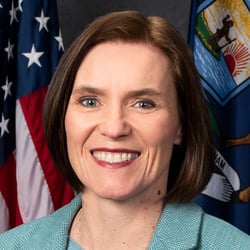
Winnie Brinks (D) for Lieutenant Governor
 |
|
Why Benson picked her: Benson said she wanted "a governing partner who has a track record for getting things done," pointing to Brinks's record leading the Senate majority. Brinks also adds a West Michigan base to a ticket otherwise anchored in southeast Michigan, and the pairing marks the first all-female governor/lieutenant governor ticket in Michigan history.
Brinks's Career
- First woman to serve as Michigan Senate Majority Leader, and the first woman to represent Grand Rapids in the Senate since 1920
- Served three terms in the Michigan House before being elected to the Senate
- Policy focus includes reducing PFAS contamination in drinking water, maternal health equity, reproductive rights, and lowering prescription drug costs
- Before elected office, worked as a caseworker helping businesses and nonprofits improve workplaces, as director of a community-based corrections agency, and as a school paraprofessional
Brinks's Personal
- Earned a bachelor's degree in Spanish from Calvin College
- Lives in Grand Rapids, Kent County
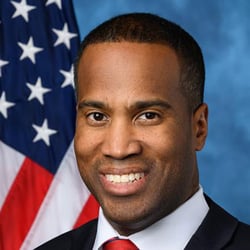
John James (R)
 |
|
Top Priorities
The priorities below are drawn from the candidate's official campaign website and reflect the issues the campaign specifically chose to emphasize.
-
Trade & Manufacturing: Strengthen Michigan's manufacturing economy by expanding domestic production, supporting skilled trades, protecting American workers, reducing reliance on foreign supply chains, and creating high-paying jobs.
-
Energy & Environment: Lower energy costs while protecting Michigan's natural resources by expanding reliable domestic energy production, modernizing infrastructure, streamlining permitting, and balancing environmental stewardship with economic growth.
-
Academic Excellence: Improve education through higher academic standards, transparent schools, classroom discipline, support for educators, and preparing students for future careers.
-
Safe Communities: Strengthen public safety through crime prevention, mental health support, school safety initiatives, and strong partnerships with law enforcement and local communities.
-
Families & Parents: Support families by affirming parents' roles in education and healthcare decisions, protecting girls' sports, and promoting policies intended to strengthen Michigan families.
-
Government Accountability: Increase transparency, accountability, and trust in state government through consistent leadership, responsible management, and post-COVID accountability.
Recent Policy Announcements
Since the primary, James has announced several more specific proposals: raising Michigan's electric-choice competition cap from 10% to 30% as part of a broader utility plan, repealing or reducing the state's 24% wholesale marijuana tax, and supporting Michigan opting into the federal Education Freedom Tax Credit program.
Endorsements
Notable endorsements include President Donald Trump; former Republican gubernatorial candidate Aric Nesbitt; numerous Republican members of the Michigan House of Representatives and James' Republican colleagues in Congress. On June 22, 2026, President Trump issued what he called his "Complete and Total Endorsement" of James on Truth Social, praising his military and business background and support for the president's agenda. The endorsement immediately reshaped the Republican primary, with Nesbitt suspending his campaign and endorsing James the same day. Since the primary, James has also been endorsed by the Detroit News editorial board (Sept. 17), the Michigan Chamber of Commerce (Sept. 22), and the Lansing Regional Chamber PAC (Sept. 25).
Career
- Elected to the U.S. House of Representatives in 2022 representing Michigan's 10th Congressional District (Macomb County area), after two unsuccessful runs for U.S. Senate in 2018 and 2020 against Debbie Stabenow and Gary Peters respectively.
- Served on the House Energy and Commerce Committee; was a vocal advocate for repealing California EV emission waivers
- Founded and led James Group International, a Detroit-based supply chain and logistics company serving the automotive industry
- Served as an Army Ranger and Black Hawk helicopter pilot, completing tours in Iraq during Operation Iraqi Freedom
Personal
- Born June 8, 1981; grew up in the Detroit area
- Graduate of West Point; later earned an MBA from the University of Michigan Ross School of Business
- Lives in Shelby Township, Macomb County, with his wife and children
Race Notes
-
James has repeatedly suggested, without providing evidence, that Secretary of State Jocelyn Benson "rigged" the 2020 election against him and Trump. James lost his 2020 U.S. Senate race to Gary Peters by about 1.7 percentage points; Trump lost Michigan to Biden by about 2.8 points that year. The Michigan Democratic Party has called the claims "conspiracy theories." James has also said he would pursue "consequences" for those he believes wronged Republicans in 2020 if elected governor.
-
At a July 9 Republican primary debate in Grand Rapids, Johnson criticized James over campaign contributions tied to a data center project, including from members of the Rakolta family. James responded, "I know when you were born, Black people could still be bought and sold in this country, but no one owns me." Johnson called the remark a "shameful attempt" to distract from questions about his donors. Others, including Saginaw business figure Jimmy Greene, said Johnson's own ads describing James as a "DEI candidate" were themselves racially charged; Johnson said the phrase referred to diversity-recognition awards won by James's family business, not his race.
-
At a July 27 campaign event with President Trump in Milford, James told the crowd, "Thank you, Mr. President, for coming back to Michigan, where you've won three times." Biden won Michigan by 154,188 votes in 2020; a Republican-led state Senate investigation found no evidence of widespread fraud.
-
Audio obtained by the Detroit News captured James's running mate, state Rep. Jay DeBoyer, telling a Sept. 12–13 event that a future constitutional convention "might be our only way" to enact a 12-week abortion ban, which would go beyond the reproductive rights Michigan voters enshrined in the state constitution via 2022's Proposal 3. A James campaign spokesperson said "the abortion issue has been settled by the people of Michigan," and James has said he would personally vote against holding a constitutional convention. Brinks and reproductive-rights groups called DeBoyer's remarks disqualifying for the ticket.
-
Bridge Michigan fact-checks examined two attack-ad claims involving James: a Democratic ad linking him to data-center tax breaks was found directionally accurate but imprecise — the tax breaks he voted for were broader federal provisions, not data-center-specific ones. A separate Democratic claim that James has used Congress to enrich himself found his net worth has grown considerably since 2023, largely tied to his family business and trusts, rather than to any specific congressional action.
- At the debate on October 6, 2026, James has said Benson "repeatedly ignored the law" as secretary of state. Bridge Michigan's fact-check found she did lose multiple election-related lawsuits, but also won dozens, and was sued more often than her Republican predecessors.
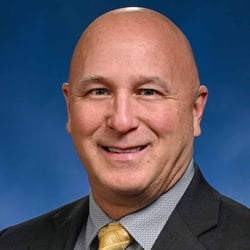
Jay DeBoyer (R) for Lieutenant Governor
 |
|
Why James picked him: James described DeBoyer as someone who has "gone after fraud, waste, and abuse of the powerful in Lansing to hold them accountable," and has said he chose DeBoyer for his experience in business, local government, and election administration.
DeBoyer's Career
- Chairs the Michigan House Oversight Committee; also serves on the House Judiciary Committee and the House Economic Competitiveness Committee
- Selected by House Republican colleagues as an Associate Speaker Pro-Tempore for the 2025–26 term
- First elected to the 63rd House District (southern St. Clair County and northern Macomb County) in November 2022; now in his second term
- Spent 12 years as clerk and register of deeds for St. Clair County; also served as Clay Township's trustee and supervisor
- Small business owner since 1994, in engineered lumber
DeBoyer's Personal
- Graduate of Algonac High School; attended St. Clair Community College
- Married with two children
- An avid hunter, fisher, and boatsman
- Lives in Clay Township, St. Clair County
See the Race Notes above for DeBoyer's own September comments on a possible path to a 12-week abortion ban.
Other Candidates on the November Ballot
Three minor-party candidates also appear on the Nov. 3 ballot for governor, each with a running mate. Each received about 2% in the Oct. 1 Mitchell Research poll.
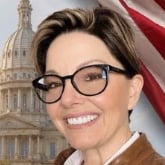
Donna Brandenburg (U.S. Taxpayers Party)
 |
|
Career
- Businesswoman who has founded multiple companies and leads Brandenburg Capital Management, an acquisition and management firm
- Chair of the U.S. Taxpayers Party of Michigan; won the party's nomination for governor at its July 18, 2026 convention
- Ran for governor in 2022. She first sought the Republican nomination but was removed from the primary ballot after state elections officials found thousands of fraudulent signatures on petitions submitted by five Republican candidates; officials said there was no evidence the candidates knew, but that candidates are responsible for their petitions. The Michigan Supreme Court declined to restore her. She then ran as the U.S. Taxpayers Party nominee and received about 0.4% of the vote (16,246 votes)
Party Platform
- The U.S. Taxpayers Party of Michigan's platform opposes abortion without exception and opposes "comprehensive immigration reform"
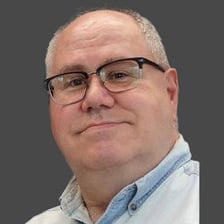
Douglas Campbell (Green Party)
 |
|
Career
- Nominated for governor by the Green Party at its July 20, 2026 convention
- Was the Green Party's nominee for governor in 2002 and 2006; received about 0.5% of the vote (20,009 votes) in 2006
- Was a regional campaign coordinator for Ralph Nader's 2000 presidential campaign
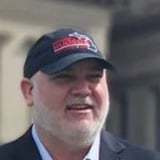
Anthony Hudson (Libertarian Party)
 |
|
Career
- Texas native who moved to Michigan in 2012; works in trucking and logistics in Genesee County
- Announced his run for governor in March 2025 as a Republican; left the Republican Party in February 2026, saying he had been "silenced," and joined the Libertarian Party
- Won the Libertarian nomination at the party's June 2026 convention
Race Note
On Sept. 27, the Libertarian Party of Michigan's executive committee voted to disavow Hudson's campaign, citing public statements it said ran counter to Libertarian principles, including statements opposing the First Amendment freedoms of speech and religion. The party had censured him on Sept. 13. It said it will not spend resources supporting him but acknowledged he remains its nominee, and his name will appear on the ballot with the Libertarian label. Hudson has said he is comfortable with the party's decision and will not compromise his principles to fit any party's narrative.
How the Money is Flowing: Campaign Finance Overview
Fundraising is often an indicator of organizational strength and voter enthusiasm. The most recent campaign finance filings were disclosed July 25, 2026, and cover contributions and spending from January 1 through July 20, 2026 — the first complete picture of 2026 fundraising for all remaining candidates.
Note: Michigan campaign finance law caps individual contributions at $8,325 per election. Candidates may also loan their own campaigns unlimited amounts.
As of late June 2026, candidates and outside groups have spent more than $50 million on advertising in the governor's race — nearly half of it from self-funded Republican Perry Johnson alone.
The July 25 disclosures captured the spending that shaped the primary: Perry Johnson spent nearly $30 million of his own money on the race, including $23 million in advertising, before losing to James, and Mike Cox spent nearly $5.3 million of his own money before dropping out and endorsing James.
The most recent disclosures, covering July 20 through Aug. 24 and including the primary, show Benson with a substantial cash advantage heading into the fall. Benson raised about $1.8 million and spent $2.3 million in the period, leaving her with $5.9 million on hand as of Aug. 24 — more than three times James's total. Her donors included DTE Energy and Blue Cross Blue Shield of Michigan executives, notable because Benson supports a ballot proposal that would ban such contributions. James raised about $1.2 million in private donations plus $371,000 in public funding, and spent roughly $1.1 million, leaving him with $1.5 million on hand; his donors included multiple members of the DeVos family.
The next reporting deadline will show how each campaign is building toward November.
| Candidate | Party | Total Raised (most recent filing) | Cash on Hand |
|---|---|---|---|
| Jocelyn Benson | Democrat | $1.8M (Jul 20–Aug 24) | $5.9M (as of Aug 24) |
| John James | Republican | $1.2M private + $371K public (Jul 20–Aug 24) | $1.5M (as of Aug 24) |
| Chris Swanson | Democrat | ~$722K | Not reported |
| Perry Johnson | Republican | Self-funded (~$30M) | N/A |
Source: Michigan Bureau of Elections campaign finance filings, as reported by Bridge Michigan and the Detroit News. Benson and James figures reflect the filing covering July 20 through Aug. 24, 2026; Swanson and Johnson figures reflect the earlier July 25 filing, the last covering their campaigns.
Who’s Involved In Outside Spending?
Understanding political committees and campaign finance laws is crucial for informed voting. The Michigan governor's race has attracted more than 100 registered political committees — one of the largest concentrations of outside money in state history, reflecting just how high the stakes are in this race.
Outside spending comes in two forms. Some committees are truly independent — they spend money to support or oppose candidates without coordinating with campaigns. Others are candidate-aligned leadership PACs that are affiliated with a specific candidate's political network. Both must register and report, but the rules on disclosure and coordination differ. For a plain-language explanation of how PACs work and why they matter, read our guide: What Are Political Committees (PACs) in Elections.
The organizations below represent a sample of who is spending to influence this election. You can search the full list of active committees at mi-boe.entellitrak.com.
Candidate-Aligned Committees
- Cox Majority PAC / Cox Leadership PAC — Two political committees affiliated with Republican candidate Mike Cox, reflecting candidate-aligned outside spending in the Republican primary. Now dormant: Cox Majority PAC reported no financial activity in its most recent filing, and Cox Leadership PAC's remaining funds have been redistributed to other Republican committees, including "Mike Cox 2026," since Cox dropped out and endorsed James.
- Nesbitt for Michigan / Nesbitt Majority Fund / Nesbitt Majority Fund 2 — Multiple committees affiliated with Republican candidate Aric Nesbitt, mobilizing his legislative fundraising infrastructure for the governor's race. Now dormant as active governor-race spenders: filings show these committees redistributing remaining funds to other Republican committees and causes (state legislative funds, conservative advocacy groups) since Nesbitt suspended his campaign and endorsed James.
Business & Industry
- Cleveland Cliffs Inc PAC — Political arm of Cleveland-Cliffs, one of the largest flat-rolled steel producers in North America and a major employer in Michigan's auto supply chain. https://www.clevelandcliffs.com/
- Rocket State PAC — Political action committee affiliated with Rocket Companies and founder Dan Gilbert, the Detroit-based billionaire behind Rocket Mortgage and Bedrock real estate. https://www.rocketcompanies.com/
- Detroit Regional Chamber Political Action Committee — Business community PAC representing one of the largest regional chambers in the country. Had previously endorsed independent candidate Mike Duggan in 2025; after his withdrawal, the PAC did not reach the two-thirds majority needed to endorse either Benson or James for the general election. https://www.detroitchamber.com/
- Chaldean Chamber Political Action Committee — Political arm of the Chaldean American Chamber of Commerce, representing Michigan's large Iraqi-Chaldean business community. https://www.chaldeanchamber.com/
Law Firms
- Miller Canfield PAC — Political arm of one of Michigan's largest and most prominent law firms. https://www.millercanfield.com/
- Jaffe Snider Raitt Heuer and Weiss Political Committee — Political arm of another major Michigan law firm. https://www.jaffelaw.com/
Labor Unions
- Michigan Regional Council of Carpenters Political Action Committee — Labor union PAC representing carpenters and millwrights across Michigan. https://www.mrccarpenters.org/
- UNITE HERE TIP Campaign Committee – Michigan — Labor union PAC representing hospitality workers including hotel, restaurant, and casino employees. https://unitehere.org/
- United Food and Commercial Workers Active Ballot Club — Labor union PAC representing grocery, meatpacking, and retail workers across Michigan. https://www.ufcw.org/
Progressive & Democratic-Aligned
- Emily's List Michigan — PAC affiliated with the national organization focused on electing Democratic pro-choice women to office. A late-contribution filing showed the PAC raised $62,500 in a single day (July 22) ahead of the primary, mostly from out-of-state donors. https://www.emilyslist.org/
- End Citizens United Non-Federal — National campaign finance reform PAC working to overturn the Citizens United Supreme Court decision and reduce the influence of big money in politics. Its July filing shows a $10,000 direct contribution to Jocelyn Benson for Governor. https://endcitizensunited.org/
- Great Lakes Action Fund MI — Progressive advocacy PAC focused on Michigan elections. Filings show no contributions or spending activity as of its most recent report. No public website identified.
- Michigan List — Progressive PAC focused on electing Democratic women in Michigan. Its July filing shows a $2,500 direct contribution to Jocelyn Benson for Governor, alongside smaller contributions to state legislative and judicial candidates. No public website identified.
Conservative & Republican-Aligned
- Make Michigan Great Again — Independent expenditure committee aligned with the Trump political movement. Registered as an independent expenditure committee, meaning it can spend unlimited amounts but must disclose that spending. No public website identified.
- Michigan Values Leadership Fund / MI Values Leadership Fund II — Conservative advocacy PACs active in Michigan legislative and statewide races. No public website identified.
- Make Michigan Grow Again PAC / Make Michigan Safe Again PAC — Two committees tied to the same Livonia address and treasurer as the Cox-affiliated PACs above. Filings show both funneling money to and from Cox Leadership PAC and "Mike Cox 2026," rather than acting as independent spenders in the general election. No public website identified.
- Mission Michigan — Independent expenditure committee supporting John James. Michigan Bureau of Elections filings show a balance of $1,889,247.74 as of July 20, 2026, funded in part by the DeVos family (see "How the Money is Flowing" above); two late-contribution reports in late July show additional donations from a Michigan retiree and the CEO of an Arkansas-based mower manufacturer. No public website identified.
Outside spending activity through the primary has largely wound down for the Nesbitt- and Cox-affiliated committees listed above, whose remaining funds have mostly been redistributed to other Republican committees since their candidates dropped out. This section will be updated as new general-election spending activity becomes available.
What Happens After Election Day?
After the election is certified, the governor-elect begins preparing to take office by assembling a transition team, selecting cabinet members and agency directors, and setting priorities for the new administration. The governor-elect also works with the outgoing administration to ensure an orderly transfer of executive branch responsibilities.
Michigan's governor is sworn into office at 12:00 p.m. on January 1 following the election. The governor serves a four-year term and may serve a maximum of two terms (eight years) under Michigan's constitutional term limits.
A new governor can begin shaping state government immediately by appointing executive branch leaders, issuing executive orders, proposing a state budget, and outlining legislative priorities. Many appointments—including judges, board members, and agency directors—can influence Michigan's government and legal system long after a governor leaves office.
Learn more
- Michigan Constitution of 1963, Article V (Executive Branch): https://www.legislature.mi.gov/documents/publications/Constitution.pdf
- Michigan Governor's Office: https://www.michigan.gov/whitmer
Who's the Governor Now?
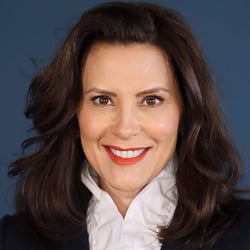
Current Governor: Gretchen Whitmer (D)
 |
|
Gretchen Whitmer, Michigan’s current governor, is term-limited and cannot seek reelection in 2026 after serving the maximum two four-year terms. As a result, the office will be open in the next election cycle.
How Long Is the Term, and Are There Term Limits?
- Term length: 4 years
- Term limits: 2 terms (8 years total)
- Next Election: November 2026
What Does the Governor Do?
What the Governor Can Do
The Michigan Governor is the state's chief executive — the person ultimately responsible for running state government, setting the agenda for Michigan's future, and making decisions that affect every resident's daily life. Unlike legislators who vote on laws, the Governor is the one who has to implement them, fund them, and manage the massive system of agencies and departments that actually deliver services to people.
Sign or veto legislation
Every bill passed by the Michigan Legislature lands on the Governor's desk. The Governor can sign it into law, veto it entirely, or use a line-item veto to reject specific spending provisions. This power makes the Governor a central player in every major policy debate — even ones happening in the Capitol building across the street.
Propose the state budget
The Governor submits Michigan's annual budget, a document that reflects the administration's priorities and shapes how billions of dollars in state and federal funds are spent — on schools, roads, public health, law enforcement, and much more. The legislature negotiates and votes on the final version, but the Governor's proposal sets the starting point.
The FY27 education budget is a clear example of how the process works in practice. Governor Whitmer's original February proposal included $625 million for student literacy and $143 million to expand Pre-K for All — enough to open 1,000 new classrooms statewide. After negotiations with the Republican-controlled House, the final budget signed July 21, 2026 came in at $502 million for literacy — $123 million less than proposed — and $30 million for early learning, less than a quarter of the Pre-K expansion originally sought. What passes and what gets cut in the negotiation between the Governor's proposal and the legislature's priorities is one of the most consequential decisions made in Lansing each year — and one most voters never see.
Lead Michigan's executive branch
The Governor oversees dozens of state departments and agencies — from the Department of Education to the Department of Health and Human Services to the State Police. Hiring department directors, setting priorities, and holding agencies accountable are all the Governor's responsibility.
Respond to emergencies
When crises hit — natural disasters, public health emergencies, energy shortages, economic disruptions — the Governor has broad authority to act quickly. Emergency declarations and executive orders allow the office to mobilize resources, waive certain regulations, and coordinate a statewide response in ways that the legislature simply can't do at speed.
Issue executive orders and directives
Beyond emergencies, the Governor can issue executive orders that direct how state government operates, reorganize agencies, and set policy priorities without waiting for legislative action. These orders carry the force of law within the executive branch.
Represent Michigan on the national stage
The Governor is Michigan's highest-profile representative in negotiations with the federal government, other states, and, in many cases, international partners — particularly relevant for a state whose economy is deeply tied to trade, manufacturing, and the auto industry.
Appoint judges and officials
When vacancies arise on state courts or in appointed positions across state government, it's the Governor who fills them. These appointments can shape Michigan's legal and policy landscape for years beyond a single term.
The scope of the office means the Governor's priorities and management style have consequences that reach into nearly every corner of Michigan life — from what your kids are taught in school, to how quickly roads are repaired, to how state government responds to changing economic conditions, legal requirements, and public needs.
What the Governor Cannot Do
While the governor is Michigan's chief executive, the office operates within limits established by the Michigan Constitution, state law, and the system of checks and balances. Many decisions require approval from the Legislature, the courts, or other elected officials.
Make laws
The governor can propose legislation, sign bills into law, or veto bills passed by the Legislature. However, only the Michigan Legislature can pass new laws.
Spend state money without legislative approval
The governor proposes a state budget each year, but the Legislature determines how state funds are appropriated. Most spending requires legislative authorization.
Change the Michigan Constitution
Constitutional amendments must be approved by voters or follow the constitutional amendment process established in state law.
Overturn court decisions
Michigan's courts independently interpret the law and the Constitution. The governor cannot reverse judicial rulings or direct judges how to decide cases.
Remove most independently elected officials
Michigan voters elect several statewide officials—including the Attorney General and Secretary of State—who serve independently of the governor. The governor generally cannot remove them from office.
Control local governments
Cities, villages, townships, counties, and local school districts have their own elected officials and legal authority. While state laws and funding decisions may affect local governments, the governor does not manage their day-to-day operations.
Create or eliminate taxes alone
Changes to state taxes generally require legislation passed by the Michigan Legislature and signed by the governor.
Ignore federal law or court orders
Michigan must operate within the U.S. Constitution and federal law. State actions may be reviewed by federal courts, and governors are required to comply with binding court orders.
Serve indefinitely or appoint their own successor
Michigan governors are limited to two four-year terms under the Michigan Constitution.
What has the Governor Been Doing?
The Governor of Michigan makes decisions that affect nearly every part of daily life—from schools and roads to healthcare, economic development, public safety, and state government. The governor signs or vetoes legislation, proposes the state budget, issues executive orders, appoints judges and agency leaders, responds to emergencies, and works with the Legislature to shape state policy.
The examples below highlight some of the major actions taken by Governor Gretchen Whitmer's administration over the past year. They are intended to illustrate how the office operates in practice and are not a complete list of every action taken. Whenever possible, links are provided to official government sources so you can review the original documents yourself.
2026 State of the State Address
Governor Whitmer delivered her annual State of the State Address, outlining her priorities for the coming year, including education, housing, infrastructure, healthcare, and economic development.
While the speech itself does not create law, it sets the governor's legislative agenda and often shapes which proposals receive the most attention from the Legislature during the year.
Official source: 2026 State of the State Address https://www.michigan.gov/whitmer/news/state-of-the-state/2026-state-of-the-state
Calls on Data Center Companies to Sign Pledge
In July 2026, Governor Whitmer announced the Michigan Affordable and Responsible Growth Action Plan, establishing expectations for future data center development and calling on companies to voluntarily commit to standards addressing energy use, water resources, community engagement, and local benefits.
As demand for artificial intelligence and cloud computing grows, Michigan communities are weighing proposals for large data centers. The plan seeks to balance economic development with concerns about electricity demand, water use, environmental impacts, and local decision-making.
Official source: Gov. Whitmer Launches Michigan Affordable and Responsible Growth Action Plan, Calls on Data Center Companies to Sign Pledge
Expanded Tuition-Free Education Opportunities
The administration continued expanding programs such as the Michigan Achievement Scholarship and Michigan Reconnect, which help eligible students and adults attend college or earn job training with reduced tuition costs.
Thousands of Michigan residents have gained access to tuition assistance for community college, universities, and workforce training programs, reducing education costs for qualifying students and adult learners.
Official source: Michigan Department of Lifelong Education, Advancement, and Potential (MiLEAP)
Continued Infrastructure Investment
The administration continued road and bridge projects across the state while investing federal and state infrastructure funding in transportation systems. Governor Whitmer reports that since taking office, Michigan has repaired more than 20,000 lane miles of roads and 1,400 bridges.
Road construction projects continued in communities throughout Michigan, improving transportation infrastructure while also causing temporary traffic delays and construction impacts for travelers.
Official source: Michigan Infrastructure Office
Appointed Judges and State Officials
Governor Whitmer continued filling vacancies on Michigan courts and appointing members to state boards, commissions, and executive branch positions as vacancies occurred.
These appointments influence how state agencies operate and who serves in leadership roles overseeing courts, licensing boards, higher education, environmental policy, healthcare, and many other areas of state government.
Official source: Governor's Appointments
Continued Free School Meals for Public School Students
Governor Whitmer's education budget continued funding free breakfast and lunch for Michigan's approximately 1.4 million public school students.
Families no longer have to pay for school meals in participating public schools, saving many households money while helping ensure students have access to breakfast and lunch during the school day.
Official source: Gov. Whitmer’s Education Budget Continues Free School Meals for All, Saving Michigan Families an Average of Nearly $1,000 a Year
Vetoed Nine Bills Following Michigan Supreme Court Ruling
In July 2026, Governor Whitmer vetoed nine bills that had been passed during the 2023–2024 legislative session but were delayed for nearly two years because of a dispute between the Michigan House and Senate over whether they had been properly presented to the governor. After the Michigan Supreme Court allowed a lower court ruling to stand requiring the bills to be sent to her desk, Whitmer vetoed all nine measures.
The veto demonstrated one of the governor's most significant constitutional powers. Whitmer said signing the bills would create legal and administrative problems because they were intended to take effect in 2025 and circumstances had changed during the delay. Supporters of the bills criticized the decision, while the governor argued that implementing them retroactively would create confusion and litigation.
Official source: 2026-07-10 Whitmer vetoes 9 bills at heart of Supreme Court case, which had been ordered to be presented, Michigan Advance
Explore More
Review official documents and announcements from the Governor's Office:
- Governor's Newsroom — https://www.michigan.gov/whitmer/news
- State of the State — https://www.michigan.gov/whitmer/news/state-of-the-state
- Executive Orders — https://www.michigan.gov/whitmer/news/executive-orders
- Appointments — https://www.michigan.gov/whitmer/news/appointments
- Michigan Budget Office — https://www.michigan.gov/budget
- Michigan Legislature — https://www.legislature.mi.gov/
What to Look for in a Governor
Once you understand what the governor does, the next question is: what kind of experience and leadership help someone do the job well? Because the governor leads the entire executive branch and helps shape statewide priorities, the role requires a rare combination of strategic thinking, management depth, and public leadership — all at once.
Executive leadership
The governor oversees dozens of state departments, thousands of employees, and a budget in the tens of billions of dollars. A strong candidate has real experience leading large, complex organizations — not just working within them. The ability to set direction, delegate effectively, and hold people accountable matters at this scale.
Policy judgment
The governor makes decisions that involve real tradeoffs — between competing priorities, limited dollars, and uncertain outcomes. Strong policy judgment means being able to evaluate complex information, weigh short-term and long-term consequences, and make calls that hold up over time, not just ones that poll well in the moment.
Budget and financial understanding
Michigan's state budget is one of the governor's most powerful tools. A candidate who understands how state budgets are built — revenue sources, federal funding, spending constraints, and economic ripple effects — is better equipped to make smart decisions when resources are tight and priorities conflict.
Crisis management
Emergencies don't give much warning. Whether it's a public health crisis, a natural disaster, an energy emergency, or an economic shock, the governor needs to act quickly and competently under pressure. A candidate's past experience responding to high-stakes, fast-moving situations — and their record of decision-making in those moments — is worth examining closely.
Collaboration and negotiation
The governor can't govern alone. Passing a budget, advancing priorities, and managing a complex state requires working with the legislature, local governments, federal agencies, tribal nations, and the business community — often across sharp disagreements. The ability to find common ground without abandoning core commitments is a real skill, and not everyone has it.
Understanding of state government
Michigan's executive branch is large and complicated, and the governor's authority has real legal limits. A candidate who understands how state agencies work, how law and policy interact, and where executive power ends is less likely to overreach — and more likely to be effective within the system as it actually exists.
Communication with the public
The governor is Michigan's most visible public official. The ability to explain decisions clearly, speak honestly about tradeoffs, and communicate with residents across the state — not just supporters — is part of the job description. How a candidate communicates on the campaign trail often reflects how they'd communicate from the office.
Accountability and transparency
The governor sets the ethical tone for state government. A candidate's personal and professional track record — how they've handled mistakes, whether they've been open about their decisions, and how they've treated the public trust — deserves serious scrutiny. Voters are essentially hiring someone to steward enormous public resources and authority on their behalf.
Lost, Dropped Out, and Unqualified Candidates
The 2026 governor's race started with 17 candidates. Fourteen have since dropped out, been disqualified, or left the party. Here's who they were and what happened to their campaigns.
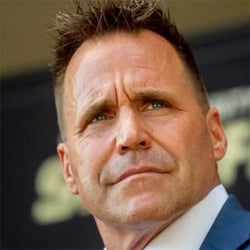
Chris Swanson (D) - Lost the Primary Election August 4, 2026
 |
|
Top Priorities
The priorities below are drawn from the candidate's official campaign website and reflect the issues the campaign specifically chose to emphasize.
- Education: Implement a Seven-Point Education Plan focused on strengthening public education, supporting teachers, expanding career and skilled-trades pathways, improving student success, and preparing Michigan's next generation.
- A Better Lansing: Reform state government by improving accountability, transparency, efficiency, and leadership while focusing on serving Michigan residents rather than politics.
- Build in Michigan: Grow Michigan's economy by supporting businesses, encouraging investment, creating jobs, and strengthening opportunities for workers and communities across the state.
- Safe Communities Are Strong Communities: Strengthen public safety by reducing crime, supporting law enforcement, combating human trafficking, investing in prevention, and expanding successful public safety programs statewide.
- Pet Protection Plan: Increase protections for animals through stronger laws, improved enforcement, and policies aimed at preventing animal abuse and neglect.
- Cannabis Protection Plan: Reform Michigan's cannabis policies to create a more sustainable industry while protecting public interests, businesses, and state revenue.
Endorsements
Notable endorsements include the International Brotherhood of Teamsters; the Detroit News Editorial Board; Flint Mayor Sheldon Neeley; former Detroit Police Chief James Craig; Genesee County Prosecutor David Leyton; numerous current and former sheriffs from across Michigan; the Tri-County Building & Construction Trades Council; and several local labor organizations and public safety leaders.
Career
- Appointed Genesee County Sheriff in 2019; elected to the position in 2020 and reelected in 2024, outperforming Kamala Harris's vote share by nearly 14 points in the county
- Founded the Genesee Human Oppression Strike Team (GHOST) in 2018, a multi-agency unit focused on human trafficking and child predators; the program has become a national model and arrested more than 200 predators
- Founded the IGNITE program — allowing Genesee County Jail inmates to attend school two hours a day, five days a week — which has since expanded to jails across Michigan and around the country
- Gained national attention in 2020 when he joined protesters marching in Flint following the death of George Floyd, launching the "Walk With Me" movement
Personal
- Has nearly three decades of law enforcement experience across corrections, criminal investigations, human trafficking, and narcotics
- Holds both a bachelor's and master's degree in public administration from the University of Michigan
- Lives in Fenton, Genesee County
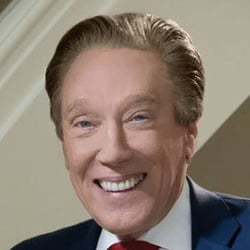
Perry Johnson (R)
 |
|
Top Priorities
The priorities below are drawn from the candidate's official campaign website and reflect the issues the campaign specifically chose to emphasize.
- Government Accountability: Conduct a statewide MEGA Audit (Michigan Efficiency Government Audit) to review every state department, eliminate waste, modernize government operations, improve efficiency, and ensure accountability for taxpayer dollars while protecting essential services.
- Lower Taxes: Eliminate Michigan's state income tax to allow workers, families, and retirees to keep more of their earnings and strengthen Michigan's economy.
- Property Tax Reform: Reform Michigan's property tax system by reducing the burden on homeowners, protecting seniors on fixed incomes, limiting rising tax bills, and building on proposals already introduced in the Legislature.
- Affordable Energy: Lower energy costs by capping utility rate increases, reforming the state's regulatory system, increasing competition, eliminating waste and corporate subsidies, and improving reliability.
- Education: Improve student outcomes by emphasizing academic excellence, strengthening parental involvement, increasing accountability, focusing education funding on classrooms, and expanding practical career and workforce opportunities after graduation.
Endorsements
Notable endorsements include former Republican gubernatorial candidate Kevin Rinke, who endorsed Johnson during the Republican primary. Johnson has also received support from a number of grassroots supporters and conservative activists, though he has not announced the same breadth of major organizational or elected-official endorsements as some of his opponents.
Career
- Founder and owner of Perry Johnson Companies Group, a quality management consulting firm he built helping auto manufacturers implement ISO quality standards; his firm is credited with helping save the auto industry during its quality crisis of the 1980s and 1990s
- Ran unsuccessfully for governor in 2022 — was one of five candidates whose nominating signatures were invalidated, keeping him off the primary ballot
- Ran a short-lived presidential campaign in 2023, dropping out and endorsing Donald Trump before the primary
- Has self-funded heavily in this race, committing millions to advertising
Personal
- Born January 23, 1948; age 78
- Lives in Bloomfield Hills, Oakland County
- Built his fortune in business consulting; describes his background in quality management as directly applicable to reforming state government
Race Notes
-
In June 2026, Johnson ran ads suggesting Trump had not endorsed John James and questioning his standing with the president. After Trump's June 22 endorsement of James, Johnson's campaign pulled the ad. Johnson has also run ads criticizing both Cox and James over their relationships with Trump.
-
At a July 9 Republican primary debate in Grand Rapids, Johnson criticized James over campaign contributions tied to a data center project, including from members of the Rakolta family. James responded, "I know when you were born, Black people could still be bought and sold in this country, but no one owns me." Johnson called the remark a "shameful attempt" to distract from questions about his donors. Others, including Saginaw business figure Jimmy Greene, said Johnson's own ads describing James as a "DEI candidate" were themselves racially charged; Johnson said the phrase referred to diversity-recognition awards won by James's family business, not his race.
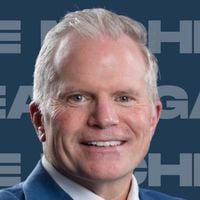
Mike Cox (R) - Dropped out July 17th
 |
|
Top Priorities
The priorities below are drawn from the candidate's official campaign website and reflect the issues the campaign specifically chose to emphasize.
- Lower Taxes: Reduce the tax burden by eliminating Michigan's income tax, reducing property taxes, controlling government spending, and returning more money to taxpayers.
- Education Freedom: Improve student outcomes by expanding school choice, strengthening academic achievement, increasing parental involvement, supporting skilled trades, and focusing on reading proficiency and workforce readiness.
- Safe Communities: Strengthen public safety by supporting law enforcement, prosecuting violent crime, combating fentanyl trafficking, securing communities, and protecting victims.
- Protect Constitutional Rights: Defend First and Second Amendment rights, protect religious liberty, uphold free speech, and oppose government policies the campaign believes infringe on constitutional freedoms.
- Government Accountability: Reduce wasteful spending, eliminate fraud and abuse, improve efficiency, increase transparency, and hold government accountable to taxpayers.
- Jobs & Economic Growth: Expand economic opportunity by reducing regulations, supporting small businesses, encouraging investment, strengthening manufacturing, and creating higher-paying jobs.
Endorsements
Notable endorsements include former U.S. Attorney General John Ashcroft and numerous former prosecutors, sheriffs, and law enforcement leaders.
Career
- Served as Michigan Attorney General from 2003 to 2011 — the first Republican to hold the office in approximately 50 years; won two statewide elections
- As AG, created Michigan's first child support enforcement division, helped 56,000 homeowners renegotiate mortgages after the 2009 recession, and launched the Michigan Cyber Safety Initiative that taught online safety to more than 500,000 schoolchildren
- Ran for governor in 2010, finishing third in the Republican primary
- After leaving office, built a private law practice (the Mike Cox Law Firm)
- His wife Laura Cox is a former ICE special agent and former chair of the Michigan Republican Party
Personal
- Born December 30, 1961; lives in Livonia, Wayne County
- Graduate of the University of Michigan for both undergraduate and law school
- Married to Laura Cox; they have four children
Race Note: In 2026, the Southern Poverty Law Center was federally indicted on wire fraud, bank fraud, and money-laundering charges, with prosecutors alleging the organization funneled over $3 million to individuals tied to extremist groups between 2014 and 2023. Benson served on SPLC's board from 2014 to 2018/2019, within the period covered by the indictment. She has said her role was "mostly ceremonial" and that she was unaware of the alleged conduct. Cox filed a Freedom of Information Act request for records of Benson's SPLC-related communications; after Benson's office did not produce them, Cox filed suit against her over the request. Neither the lawsuit nor the underlying allegations against SPLC directly implicate Benson in wrongdoing.
Mike Duggan (I)
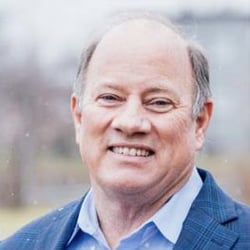 |
Dropped his independent bid on May 21, 2026, citing national political headwinds. |
Garlin Gilchrist (D)
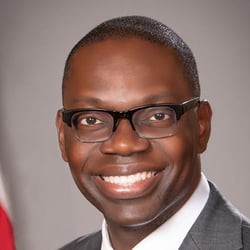 |
Left the governor's race early to run for Secretary of State instead. |
Marni Sawicki (D)
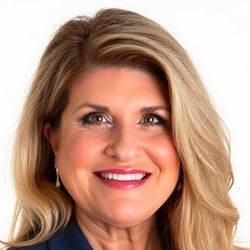 |
Ended her campaign in early 2026. |
Kevin Hogan (D)
 |
Ended his campaign in early 2026. |
Aric Nesbitt (R)
 |
Suspended his campaign on June 22, 2026, after President Trump endorsed John James, and endorsed James the same day. |
Tom Leonard (R)
 |
Withdrew from the race in 2026. |
Joyce Gipson (R)
 |
Withdrew from the race in 2026. |
Evan Space (R)
 |
Withdrew from the race in 2026. |
Karla Wagner (R)
 |
Withdrew from the race in 2026. |
Kim Thomas (D) — Disqualified
 |
Disqualified by the Bureau of Elections for insufficient valid signatures. |
Ralph Rebandt (R) — Disqualified
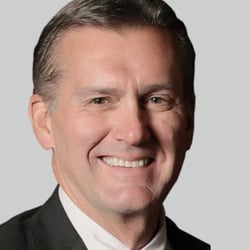 |
Disqualified by the Bureau of Elections for insufficient valid signatures; the disqualification was later upheld by the Michigan Supreme Court. |
How to Vote in Michigan
Knowing who's running is only half the equation. Here's how to make sure your vote actually counts on November 3rd (general election).
Look up your personal voter information
The Michigan Voter Information Center has everything you need in one place. Enter your information at mvic.sos.state.mi.us and you'll see:
- Whether you're registered to vote
- Your polling location on Election Day
- Your early voting location and hours
- Your absentee ballot status
- Your drop box locations
- All of your voting districts — county, state house, state senate, U.S. Congress, school board, and more
- Your local clerk's contact information
Key dates
- Primary Election: August 4, 2026
- General Election: November 3, 2026
- Early voting is available — check the MVIC site for your specific location and hours
- Michigan allows same-day voter registration at your local clerk's office
Not registered? You can register online at mvic.sos.state.mi.us if you have a Michigan driver's license or state ID, by mail, or in person at your local clerk's office. If you're registering within 14 days of an election, you must do so in person.
Voter information is maintained by the Michigan Secretary of State. Contact your local clerk if you have questions about your specific situation.
Help Build a More Informed Michigan
Democracy works best when every voter has access to clear, factual, and nonpartisan information.
If you found this guide helpful, you can help make sure the next voter finds it too.
Your support helps Michigan Women research statewide races, publish free voter guides, explain complex ballot issues, interview candidates, and expand civic education into more Michigan communities — all without subscriptions or paywalls.
Ways to Support
Donate
Help keep these guides free and available to every Michigan voter. https://michwomen.com/donate
Subscribe
Join our email list to receive new voter guides, election updates, and civic education resources. https://michwomen.com/join
Follow Michigan Women
Stay connected for new guides, interviews, videos, and election coverage.
- Facebook: https://www.facebook.com/michwomencoalition/
- LinkedIn: https://www.linkedin.com/company/michigan-women
- YouTube: https://www.youtube.com/@MichiganWomen
- TikTok: https://www.tiktok.com/@michwomen
- Instagram: https://www.instagram.com/michigan_women/
- Nextdoor: https://nextdoor.com/pages/michigan-women-saginaw-mi/
Share This Guide
Help friends, family, and neighbors make informed decisions by sharing this guide.
Michigan Women Education Fund
Michigan Women Education Fund is a registered 501(c)(3) nonprofit organization. Contributions are tax-deductible to the extent allowed by law.
Together, we can help every Michigan voter make a more informed decision at the ballot box.
Content disclaimer: Michigan Women researches information from official websites, government records, campaign materials, debate transcripts, campaign finance filings, news outlets, and other public resources. We strive to provide accurate, balanced, and current information, but election information can change quickly. Michigan Women Education Fund is a 501(c)(3) nonprofit organization and does not support or oppose any political candidate or party. This content is intended solely for civic education and public awareness.