
The Federal Government
How the three branches of government work together to make, enforce, and interpret U.S. laws.


President
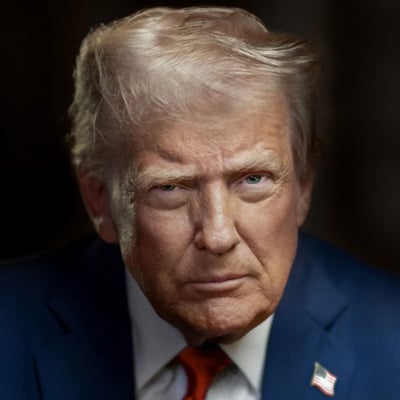
Donald Trump (R)
2017-2021 & 2025-2029
What the Executive Branch Does
Leads the federal government and carries out the laws passed by Congress
The Executive Branch is responsible for carrying out and enforcing the laws passed by Congress. Led by the President, it oversees the day-to-day operation of the federal government through hundreds of agencies and departments — from the Department of Education to the Department of Defense.
Key Responsibilities
- Enforces federal laws
- Signs or vetoes legislation
- Oversees federal agencies and departments
- Serves as Commander-in-Chief of the military
- Conducts foreign policy and negotiates with other nations
Why This Role Matters
Presidential decisions shape how federal laws are implemented and how resources are distributed nationwide. From education funding to infrastructure investment to public health policy, the Executive Branch has a direct impact on everyday life.
The next Presidential election is in 2028.
This office will appear on the statewide ballot in 2028.
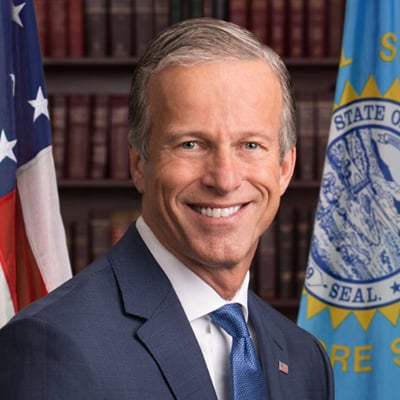
Senate Majority Leader
John Thune (R)
South Dakota | 2005-2029
About the U.S. Senate
100 Total Reps
6 Year Terms | No Term Limit
2 Senators per State
Key Responsibilities
- Writes and votes on federal laws
- Introduces revenue and tax-related bills
- Initiates impeachment proceedings
- Represents constituents in smaller, local districts
- Serves approximately 760,000 people
Why This Role Matters
The House is closest to the people. It reflects public priorities and drives legislation that directly impacts daily life.

Speaker of the House
Mike Johnson (R)
Louisiana 4th | 2017-2027
About the U.S. House of Representatives
435 Total Reps
2 Year Terms | No Term Limit
Serves ~760,000 Residents
Key Responsibilities
- Writes and votes on federal legislation
- Confirms presidential appointments (judges, cabinet members)
- Ratifies international treaties
- Conducts impeachment trials
- Serves the entire state population.
Why This Role Matters
The Senate provides a check on executive power and ensures states have equal representation in federal decision-making.
U.S. Senate
100 Total Reps
6 Year Terms | No Term Limit
2 Senators per State
Senate Majority Leader
John Thune (R), South Dakota | 2005-2029
What the U.S. Senate Does
Represents states equally and plays a key role in federal appointments and treaties.
Key Responsibilities
- Writes and votes on federal legislation
- Confirms presidential appointments (judges, cabinet members)
- Ratifies international treaties
- Conducts impeachment trials
- Serves the entire state population.
Why This Role Matters
The Senate provides a check on executive power and ensures states have equal representation in federal decision-making.
U.S. House of Representatives
435 Total Reps
2 Year Terms | No Term Limit
Serves ~760,000 Residents
Speaker of the House
Mike Johnson (R), Louisiana 4th | 2017-2027
What the U.S. Senate Does
Represents the people based on population and initiates key legislation.
Key Responsibilities
- Writes and votes on federal laws
- Introduces revenue and tax-related bills
- Initiates impeachment proceedings
- Represents constituents in smaller, local districts
- Serves approximately 760,000 people
Why This Role Matters
The House is closest to the people. It reflects public priorities and drives legislation that directly impacts daily life.
Chief Justice
Lifetime Appointment

John Roberts
Serving Since 2005
What the Judicial Branch Does
Interprets the Constitution and ensures laws are applied fairly.
The Judicial Branch interprets the laws passed by Congress and signed by the President, determining whether they align with the U.S. Constitution. Headed by the Supreme Court, it also includes a network of federal courts that handle cases involving federal law and constitutional questions.
Key Responsibilities
- Reviews laws to determine if they are constitutional
- Resolves disputes involving federal law
- Interprets the meaning of laws and regulations
- Sets legal precedent through court decisions
Why This Role Matters
Because federal judges are appointed — not elected — the Judicial Branch is designed to be independent from political pressure. That independence allows it to serve as a check on both Congress and the President, protecting constitutional rights even when doing so is unpopular.